
笔者历经十年潜心信达雅英译唐宋诗词,分别编译为《唐诗大观英译选》《宋诗词大观英译选》,其中收录了三百多位诗词人的佳作超过两千首。
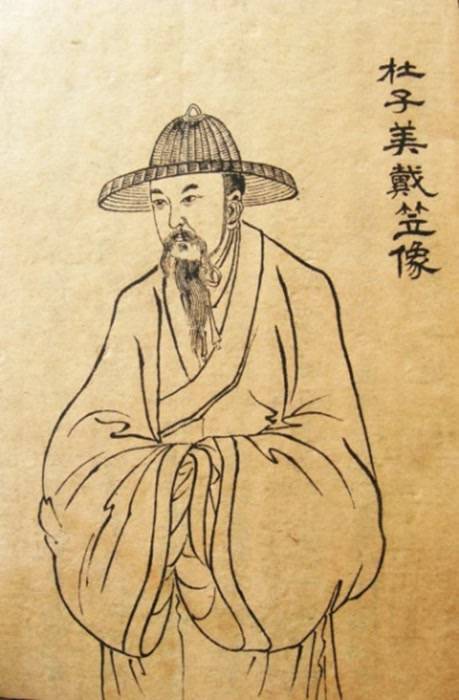
今天我们聚焦两位伟大诗人的友谊。李白和杜甫感情深厚。李白与杜甫相差了十一岁,他们却成了忘年之交。对诗歌的热爱和高深造诣,促使他们成为志同道合的知交,而共同的远大抱负、正义立场以及在政治上的失意境遇,更使他们情同骨肉兄弟。《梦李白二首》是唐代诗人杜甫创作的一组记梦诗。这组诗是杜甫听到李白流放夜郎后,积思成梦而作。第一首写初梦李白时的疑惧与牵挂,第二首写频梦李白后的同情与不平,两首前后呼应,集中表现了李杜之间深厚的友情。两位伟大诗人的友谊,已经成为文坛佳话,也是文化出海名片。
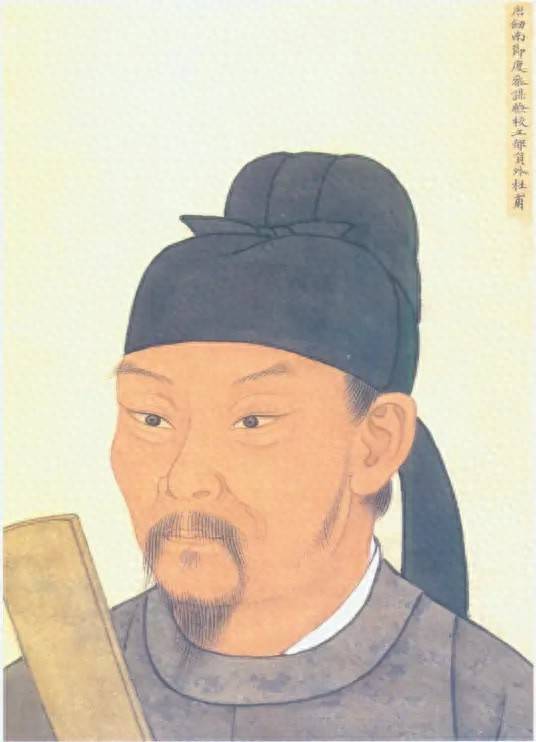
梦李白二首(其一)
死别已吞声,生别常恻恻。
江南瘴疠地,逐客无消息。
故人入我梦,明我长相忆。
恐非平生魂,路远不可测。
魂来枫林青,魂返关塞黑。
君今在罗网,何以有羽翼。
落月满屋梁,犹疑照颜色。
水深波浪阔,无使蛟龙得。
梦李白二首(其二)
浮云终日行,游子久不至。
三夜频梦君,情亲见君意。
告归常局促,苦道来不易。
江湖多风波,舟楫恐失坠。
出门搔白首,若负平生志。
冠盖满京华,斯人独憔悴。
孰云网恢恢,将老身反累。
千秋万岁名,寂寞身后事。
我们先来看看许渊冲大师的译本:
Dreaming of Li Bai (I)
To part with the dead, we stifle our sigh;
To part with the living, our heart would cry.
South of the River, where miasmal vapours rise,
No news comes from my exiled friend beneath the skies.
My old friend appears in my dream;
He knows how I for him ever dream.
I fear it is not his living soul I see;
The road is long, hard to know what may be.
His spirit comes through maples green at night;
Through frontier passes dark it takes its flight.
Entangled in a net, how could he fly
With wings to cross the boundless sky?
The sinking moon o’er roof‑beams sheds its light;
I seem to see his face in moonlight bright.
Deep are the waves and wide the waters spread,
O let no flood‑dragon seize my friend in bed!
Dreaming of Li Bai (II)
The floating clouds drift all day long;
O wanderer, you have been gone for long.
Three nights running I have dreamed of thee;
Our close friendship speaks in what I see.
When you took leave, you looked distressed;
You sighed your journey brought no rest.
On river and lake rise billows high;
You feared your boat might sink or die.
You went out, scratching your white hair, as though
Your lifelong hopes were brought to woe.
Full of great lords is the capital town;
This man alone is worn and cast down.
Who says heaven’s wide net spares no one?
Near old age, misfortune comes upon him.
A fame that lasts a thousand years shall come;
But it will be his glory after he is gone.
(《许渊冲英译杜甫诗选》北京:中国对外翻译出版有限公司,2014年,第98-99页)
具体分析如下:
优点:
一是,音美突出,韵体完整。两首均用英诗尾韵(sigh/cry、rise/skies、dream/see、night/flight、fly/sky、light/bright、spread/bed——dream/see 是破韵,全诗实为偶句韵,中夹一处失韵),节奏整齐,朗读上口,把杜诗内在抒情节奏转成英文诗歌音乐性,符合“以诗译诗”。
二是,意美基本到位,情绪连贯。其一“死别/生别”译出“吞声—恻恻”的悲怆;“恐非平生魂”译 I fear it is not his living soul I see,疑真疑幻的梦中心理抓得准;其二“冠盖满京华,斯人独憔悴”译 Full of great lords… This man alone is worn and cast down,对比强烈,李白孤高落寞跃然纸上。
三是,意象处理通俗化、跨文化可读。“瘴疠地”→ miasmal vapours,“罗网”→ entangled in a net,“蛟龙”→ flood-dragon,既保留原意象,又降低西方读者理解门槛,利于传播。
四是,形美:行数对应、结构清晰。两首皆按原诗分节,未拆未并,篇幅节制。
可商榷之处:
一是,为押韵牺牲局部“信”。其一“魂来枫林青,魂返关塞黑”译 green maples / dark passes,丢了“青枫—黑塞”的楚辞招魂典故与阴阳色对照;“落月满屋梁”译 sinking moon o’er roof-beams,稍显直白,原句静夜惊心的留白被填满。
二是,增译与释意偏多,原诗凝练受损。“明我长相忆”本含蓄,译 He knows how I for him ever dream 点得太透;其二“若负平生志”译 as though your lifelong hopes were brought to woe,加了 woe 的结局感,原句只是“负志”的怅然。
三是,文化负载词归化过度,略偏离原意。如“天网恢恢”译 heaven’s wide net spares no one 反用其意(原诗“孰云网恢恢,将老身反累”是反讽),英文表面像正面谚语,反讽锋芒弱化;屈原式“蛟龙”象征险恶政治环境,flood-dragon 偏奇幻,略漂。
此外,个别用词偏浪漫化。如 spirit comes through maples green at night 有许氏“美化”习惯,但杜诗本朴拙惊惧,译笔稍“亮”。
总之,许老前辈的译本,朗朗上口,韵律大体齐整。适合双语普及本、朗诵本;若用于学术直译或“逐字对照”场景,需谨慎使用,要查找对照原典与异文。
因宇文所安和沃森、宾纳等人的译本,尚未在网上开源,只有页码和标题,看不到正文,所以,恕不能找来对照。但是据常见学术界译评所述的观点,宇文所安和沃森的翻译风格属于学术性直译为主,忠实原作优于许渊冲,但他们散文化翻译、句子长、不押韵,逊于许渊冲的韵体以诗译诗。
绝知此事要躬行,笔者才疏学浅,不揣谫陋,试译此诗,向唐代大诗人杜甫致敬,向所有翻译此诗的译者学习、致敬。
Dreaming of Li Bai I
By Du Fu (Tang Dynasty)
Translated by Wang Yongli
At death's parting we stifle tears and sigh;
In living separation the heart still aches on high.
South of the Yangtze, where malarious vapours rise,
No news comes from thee, the exiled one, beneath those skies.
My old friend enters in my dream;
Thou knowest my constant longing, as I deem.
I fear this may not be thy living soul;
The road is far, past human knowing whole.
Thy spirit comes through green maple groves by night;
Back to dark frontier passes takes its flight.
Thou art entangled now in snare and chain;
Whence hast thou wings to cross such vast terrain?
The sinking moon fills all the roofbeams' light;
Methinks it still illuminates thy face so bright.
Deep waters spread with billows wild and wide—
Let no flood dragon seize thee in its tide.
Dreaming of Li Bai II
By Du Fu (Tang Dynasty)
Translated by Wang Yongli
Floating clouds drift on throughout the day;
O wanderer, thou hast long been far away.
Three nights in dreams thy form appears to me;
Our close bond speaks thy heartfelt sympathy.
When taking leave, thou seem'st distressed and pressed;
Thou grievest that this journey brought no rest.
On lake and river rise wild winds and waves;
Thou fear'st thy boat may sink beneath their graves.
Thou goest forth and pluck'st thy hoary hair,
As if thy lifelong hopes were crushed and bare.
Full of grand lords the capital doth stand;
Only this man is worn and cast down in the land.
Who says the wide net of heaven holds all?
Near old age, misfortune on him doth fall.
A fame that lasts a thousand years shall come;
Yet that renown is silent, after death hath come.
典故注释:
① 枫林青:化《楚辞·招魂》"湛湛江水兮上有枫……魂兮归来哀江南",兼写李白流放之地与招魂之哀。
② 罗网:喻政治法网;羽翼反写"身陷囹圄而魂可飞"之疑幻。
③ 蛟龙:喻陷害李白之恶势力,非仅水怪。
④ 网恢恢:反用《老子》"天网恢恢,疏而不漏",讽刺天道不公。
⑤ 千秋万岁名:化阮籍《咏怀》诗,言身后虚名难慰生前沦落。
Note:
① Green Maple Groves: An allusion to Summons of the Soul (Zhao Hun) in the Songs of Chu: "Deep, deep the river waters flow, with maples on the banks below... O soul, come back! Mourn for the Southland!" The image evokes both the region of Li Bai's exile and the grief of a soul-summoning.
② Snare and Net: A metaphor for the political net of the law. The "wings" that follow invert the image ironically, conveying the dreamlike paradox of "body imprisoned while the soul can still fly."
③ Flood Dragon: A metaphor for the evil forces conspiring against Li Bai, not merely a water monster in the literal sense.
④ The Wide Net of Heaven: An ironic reversal of Laozi: "Heaven's net is wide, and though its mesh is coarse, nothing slips through." Du Fu uses it to indict the injustice of Heaven's way.
⑤ A Fame of a Thousand Autumns: An allusion to Ruan Ji's Yong Huai poems, meaning that posthumous fame is cold comfort for a life of frustration and obscurity.
本译以"信"为底线,韵为形式约束,遇冲突时韵让位于信。两首均用偶句韵,行数与原诗对应。意象处理:保留原象,少作归化改写。“瘴疠”→ malarious vapours,“枫林青/关塞黑”→ green maple groves / dark frontier passes,“落月满屋梁”→ floods every roofbeam's space,“蛟龙”→ flood dragon。加解释性铺陈,对读者友好,便于理解文化负载信息。
最难的几处翻译处理:其一"孰云网恢恢"以疑问句译出,保留原诗反讽;"罗网"增 chain 以补"囚困"义,属有意增译;"落月满屋梁"译 fills all the roofbeams' light,力求简净,不填留白。其二"寂寞"译 silent,偏"无声"而非"身后萧条",为韵所限,识者谅之。
总之,译学无止境,笔者愿意尽绵薄之力,为中华文化出海减少文化折扣而做出点滴贡献。